
As part of a larger presentation, I created an infographic that highlights the benefits of drinking craft beer.
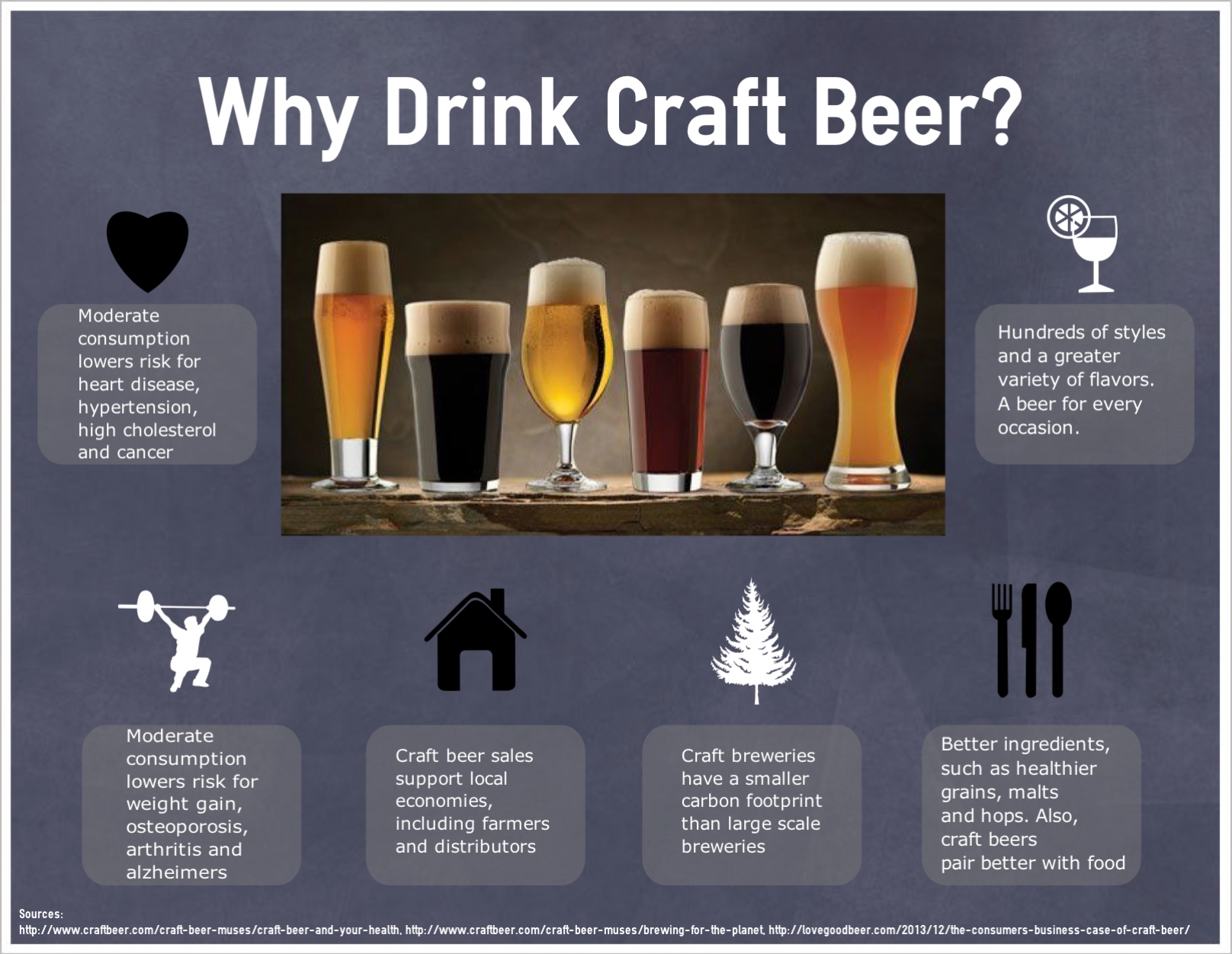
As part of a larger presentation, I created an infographic that highlights the benefits of drinking craft beer.
CSR Memo
The following was an exercise in writing a corporate social responsibility memo. The prompt was to write as if I were the VP of a company proposing a new CSR program to the CEO. I chose to write as if I worked for AB InBev and proposed a program focused on curbing binge drinking among college students.
To: Carlos Brito
From: Brenden Lynch
Date: April 30, 2014
Subject: Proposal for “College Students Drink Smarter” CSR Program
Binge drinking among college students has been a major problem in the United States for decades. Year-round it contributes to lower grades, injuries, violence, car crashes, brain damage, sexual assaults, overdoses and death. In order to address this social health problem, the AB InBev communication team would like to propose a corporate social responsibility program entitled “College Students Drink Smarter.”
The “College Students Drink Smarter” program will be an ongoing public relations campaign that will target college students and focus on healthy living, responsible alcohol consumption and the dangers of binge drinking. Initially, it will begin by creating and distributing educational and promotional materials on social media. The next phase would include visiting college campuses throughout the U.S. to host binge drinking awareness events and to further distribute educational materials.
The AB InBev communication team is confident that the program has great potential to raise awareness among college-aged drinkers and encourage responsible drinking habits. The goal is to expand and develop this program into a lasting campaign by encouraging employees, parents, students and our existing community partners and sponsors to volunteer and get involved.
Implementing the “College Students Drink Smarter” program is an excellent opportunity to have a positive impact on our communities by addressing a significant social health problem. Furthermore, this is an opportunity for AB InBev to be the first to make a real difference and set a precedent for other industry leaders to follow. According to Forbes, there is ample data to support that CSR programs have profit generating potential. A recent survey showed that more than half of consumers want to reward socially responsible companies. 53% would even pay a 10% premium for those products. In addition, socially responsible companies get more favorable ratings from security analysts, which leads to better stock value.[1]
AB InBev has always been committed to promoting the responsible enjoyment of our products through positive communication with our publics and communities. As the world’s largest brewer, we have the resources and influence to reach out to people affected by this issue. I look forward to hearing your feedback about this proposal and to further discussing the details of this program as we focus on new CSR opportunities for AB InBev.
[1] Levick, R. (2012, January 11). Corporate Social Responsibility for Profit. Forbes
A recent PRNewser article shed some light on a recent lawsuit between Francine Katz and AB InBev. She claims she had been receiving unfair compensation due to her gender, and decided to take the company to court for discrimination. In the end, the jury ruled against her in defense of AB InBev.
Now, you’ll have to read the article for yourself, but the whole situation draws a big question mark around InBev’s corporate communications and forces you to ask whether or not something scandalous was taking place. I don’t know enough about the case to formulate an educated opinion, but I have to say I’m left with a feeling of disappointment. Even if it simply isn’t true that any discrimination was taking place, it makes me a angry that gender inequality is still an issue.
I’m not so naive to think that discrimination no longer takes place, but I’d like to think we’ve moved past this kind of thing for the most part. But I guess we haven’t. Either way, this kind of negative media attention is bound to have some ripple effects, and it will be interesting to see how this affects AB InBev now and in the future. If nothing else, you can bet that the public eye will be watching them more closely.
Have you seen the fancy new Coca-Cola soda fountains? You know, the little touch screen computer thingy that dispenses soda? You see them more and more at restaurants and movie theaters now, and I have to admit they’re pretty cool.
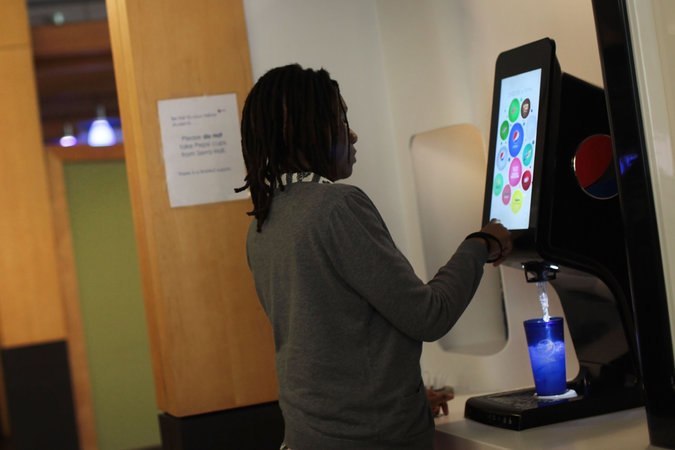
According to a New York Times article, Pepsi is going to battle with its arch nemesis over who has the cooler, more futuristic self-serve soda machine.
Personally, I think its a great thing. A soda fountain isn’t exactly an interesting thing on its own, but these new machines are making things a little more intriguing and interactive. They are capitalizing on our love for gadgets in an intelligent way, and creating a new visual space for creative branding.
Whats more, bars and taprooms are getting hip to this technological trend as well.

Introducing the iPourIt tap system, which allows customers to pour their own beer using RFID technology. The system can be further customized with an interactive touchscreen with various options, and can even be linked to Facebook and Twitter so consumers can share their experiences.
Now, I can think of a few applications where this might be a good idea, but for the most part my instinct is to reject it. I mean, it’s cool and all, but do we really need to replace every human being with a robot? I guess I can understand if it’s dispensing cheap lager at a sports bar or something, but in a craft beer setting this doesn’t seem appropriate.
Craft beer isn’t soda, and part of the experience is the nuance of interacting with other people who love beer. Personally, I love to chat with bartenders and staff about the beers they have on tap, especially if there are beers I haven’t tried and the staff is knowledgeable.
In addition to taking away people’s jobs, these automatic tap systems could be taking some of the romance and humanity out of craft beer enjoyment. Ultimately, I don’t think they are a real threat. Then again, I wouldn’t be surprised if these machines start showing up in places we don’t want them to. I guess we’ll just have to wait and see.

Like wine, beer can benefit a great deal from the aging process. Barrel aging and cask conditioning ales has been popular for some time, but according to an article from the Wall Street Journal, craft beer aficionados are now starting their own beer cellars at home.
Instead of bottles of pinot noir and cabernet sauvignon, the cellar shelves are lining up with porters, barleywines, quadruples and more. While not every beer style is conducive to aging (some are best enjoyed immediately), there are many styles that mellow out and change over time, producing distinctively new characteristics.
From a public relations and business perspective, the trend is creating new opportunities for craft brewers and consumers. More sophisticated enthusiasts now have a new hobby to nerd out on, for a much smaller price tag than starting a wine cellar. As for the brewers, they now have an opportunity to brew more specialty and limited bottle conditioned ales for these higher level consumers. As beer continues to get fancier, they may even be able to charge a premium for it.
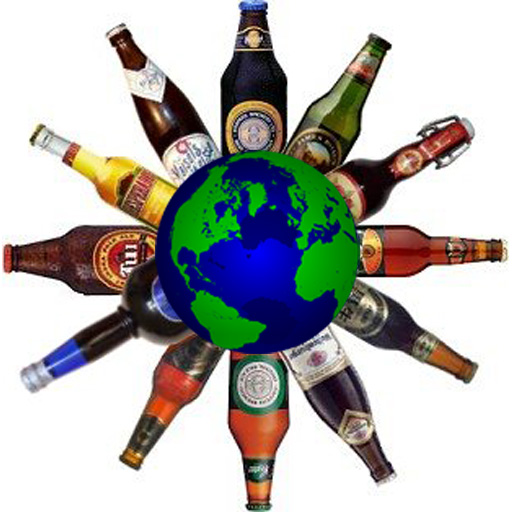
It’s no secret that the craft beer market in the U.S. in the middle of a gigantic boom. According to the Brewer’s Association, in 2012 there were 2, 768 craft breweries in operation, 15% more than the previous year. Today, there are likely more. This increase in producers, brewing creativity and the diverse range of beers produced has made the U.S. a popular destination for craft beer enthusiasts worldwide.
But Americans aren’t the only ones cashing in. Craft beer tourism has become so wildly popular that other countries are getting hip to the trend as well. They’re producing great beer, too. For example, according to CBC News, the brewing boom has reached the city of Vancouver in British Columbia. They are seeing more and more travelers in search of great beer, and they aren;t going to leave them thirsty. Thanks to some recent changes in alcohol regulations, brewers are now allowed to open lounges and tasting rooms for craft beer enjoyment.
A question pops into my mind. Are governmental laws changing in order to capitalize on the craze? Maybe so.
Just recently a New York Times article highlighted the growing trend of craft brewing in Japan. Again, thanks to some changes in legislation, small scale breweries are no longer prohibited from operating. This has resulted in a thriving new economy for the culinary city of Osaka especially, where pubs and brewers are springing up left and right.
What intrigues me most about all this ongoing craft beer hype, is that brewing is becoming more and more recognized as an art form worldwide, as well as an opportunity to create new streams of revenue. New markets are emerging, and the mainstream in general is beginning to identify beer correctly as a prized artisan commodity. This is great news for those of us who wish to work in the craft brewing industry, as opportunities are sure to follow in the wake of all this momentum.
Now, if I can just find my passport.
 Brenden Lynch