
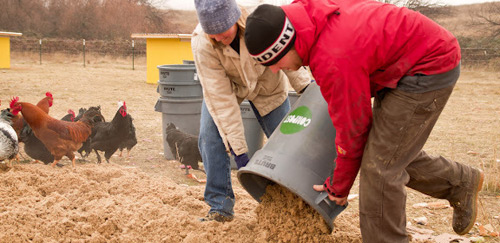
According to an online article from the Oregonian, the FDA has proposed a new rule that could dramatically affect the win-win transaction between brewing companies and producers of livestock.
For centuries farmers have been feeding their livestock the spent grain leftover from the brewing process. A mutually beneficial transaction, many brewers are often willing to handover the nutritious, high-protein byproduct for free rather than dispose of it themselves.
The new rule would now classify brewers that supply farmers with spent grain as animal feed providers. This would require them to dry and package the spent grain, store it in closed sanitized containers and maintain records of distribution. In order to do this brewing companies would have to spend upward of $13 million per facility to finance the equipment and resources necessary to meet these regulations.
While it may sound like a good idea, there is no evidence to support that spent grain from breweries is unsafe. On the contrary, spent grains are consistently praised as being a healthy and sustainable source of livestock feed.
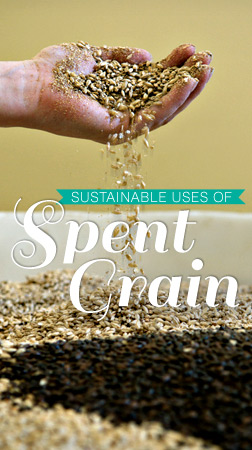
There has never been an issue of contamination, or any other event to warrant these new regulations. So what it likely means for brewers and livestock producers is a lot of wasted grain. Many craft brewers especially will be forced to either dispose of the grain in landfills or significantly raise prices to finance the equipment and resources. The business and financial impacts are quite obvious, but it will be interesting to see the PR implications this could have if the rule is enacted. Particularly in the realm of corporate social responsibility, breweries will have some difficult decisions to make. In many ways, it’s a damned if you do, damned if you don’t type of scenario.
By trashing the spent grain, they risk attracting the negative perceptions that come with adding to landfills and contributing to waste. If they raise prices to meet the regulations, they will likely have to replenish sales with the sort of appeal that says you’re paying more money for a more “responsible” product.
For me it’s a stretch either way.
I would argue that it’s a bad look on the FDA for disrupting such a natural and logical exchange of goods over a rulebook technicality. The rule would present some potentially serious challenges, leaving breweries in limbo over what to do while the poor farmers go about replacing a virtually free food supply for their livestock.
 Brenden Lynch